
Newton County Probate System
Newton County probate matters are handled through the county trial courts and the Newton County Clerk. The State Court Structure Map for this project identifies probate as the Probate Division of the Circuit / Superior Court, with the filename remaining probate-records.html. The Clerk's Office page names estates and guardianships among county-level court cases for which the clerk is the record keeper. That means a probate search should begin with MyCase and continue through the Clerk of Court when the public portal does not show the needed document.
Probate records can include estate administration, filed wills after death, guardianship cases, trust-related disputes if filed in court, and related orders or accountings. Newton County does not have a separate probate courthouse or surrogate-style office in the research file. The courthouse and clerk channel are the practical local access points, while Indiana court rules control what can be viewed online.
Newton County Probate Records
Probate files are not all the same. An estate case may center on a deceased person's assets and debts. A guardianship case may concern a minor or incapacitated adult. A will may appear in the estate case after death, but the research did not locate Newton County will-safekeeping or local deposit instructions. If a trust dispute becomes a court case, it may be searched like a civil or probate-style filing.
Estate administration can include a petition or application, death information, heirs, a filed will, an appointment order for a personal representative, creditor notices, inventory, accountings, distribution filings, and closing documents. Guardianship records can include appointment orders, inventories, accountings, reports, and court restrictions. The public search may show the case while keeping sensitive attachments off the public web view.
- Estate administration may include petitions, death information, heirs, appointments, notices, inventories, creditor claims, orders, accountings, and closing filings.
- Wills may appear as part of an estate case after death if filed with the court.
- Guardianships may include appointment orders, reports, inventories, accountings, and protected-person information.
- Trust disputes may be filed as civil or probate-style cases when a court ruling is needed.
- Name changes and protective family filings may overlap with family or civil records, but they are distinct case types.
The Indiana family and juvenile law title is one of the state sources assigned to Newton County probate research.
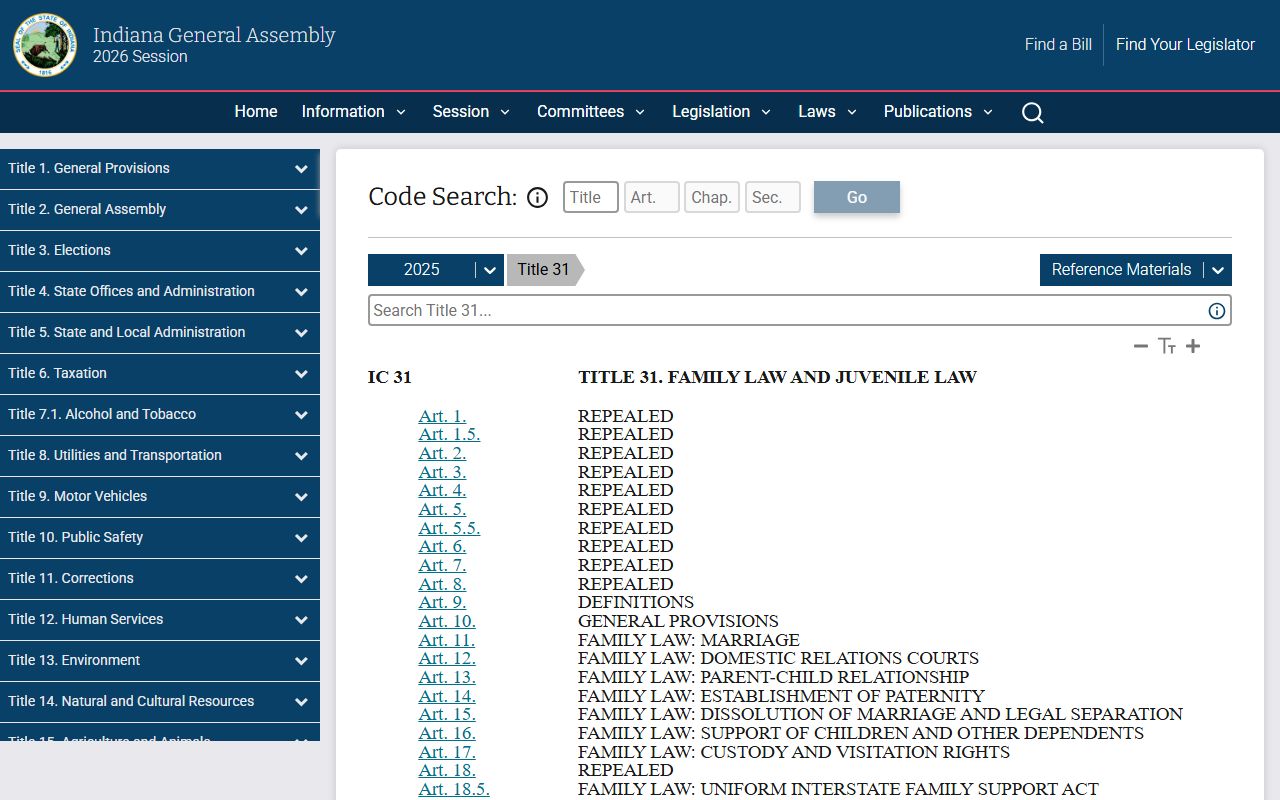
That state law source is relevant because guardianship, juvenile, and family-linked probate records can carry access limits.
Search Newton County Probate Records
Use MyCase first when looking for a public Newton County estate or guardianship case. Search by decedent, protected person, guardian, heir, petitioner, or case number if known. If no online result appears, do not assume no probate case exists. Older files, non-digitized records, confidential guardianship details, and documents not available online may require a Clerk of Court request.
Probate searches often need more than one attempt because the best index name can change by case type. An estate may be easier to find under the decedent, personal representative, or attorney. A guardianship may be indexed by guardian, protected person, petitioner, or case number, while some minor or confidential details may not display publicly at all.
- Open Indiana MyCase and choose a case or party search.
- Search by party last name, first name, case number, court, case type, or file date when available.
- Review the CCS for estate, guardianship, order, accounting, or appointment entries.
- Contact the Newton County Clerk at 219-474-6081 when a file is missing, older, confidential, or not downloadable.
- Ask the clerk about certified copies and current estate or guardianship filing fees before filing or ordering documents.
Newton County Probate Search Fields
The research provides a MyCase probate search table. MyCase field labels may vary by mode, but the practical search choices are party name, case number, case type, court, and file date. Probate searchers often need more than one name because the decedent, personal representative, guardian, protected person, petitioner, heir, or attorney may be the best public index point.
| Field Label | Type | Required | Notes |
|---|---|---|---|
| Party last name | Text | Yes for person-name search | Use decedent, heir, guardian, protected person, or petitioner if known. |
| First / middle / DOB | Text / date | Optional | DOB may not help when civil or probate records do not record it. |
| Case number | Text | Optional | Best when known from a notice, pleading, or prior court filing. |
| Case type | Dropdown | Optional | Limit to probate, estate, or guardianship if the option is available. |
| Court | Dropdown | Optional | Limit to Newton Circuit or Superior if available. |
| File date | Date range | Optional | Useful for estates near the date of death. |
Newton County Probate Contacts
The probate contact point is the Newton County Clerk of Court because the clerk keeps estates and guardianships among county-level court records. The court directory identifies Jessica Firkins as Clerk, gives the mailing address as PO Box 49, Kentland, IN 47951, and lists phone 219-474-6081 and fax 219-474-5749. The Clerk's Office is in the Newton County Courthouse.
Newton County Clerk of Court
PO Box 49
Kentland, IN 47951
219-474-6081
Fax: 219-474-5749
Office in Newton County Courthouse
Newton County Courthouse
201 N 3rd St
Kentland, IN 47951
(888) 663-9866
Monday-Friday 8:00 a.m.-4:00 p.m.
Newton County Probate Fees
Newton County-specific probate filing and copy fees were not located in the official sources reviewed for the research file. That gap should be stated plainly. The Clerk document center lists court-rule and public-record materials, but the research did not locate a probate fee schedule there. Estate, guardianship, certified-copy, and filing costs can change and may depend on case type or document count. Contact the Clerk of Court before filing or ordering probate copies.
| Item | Amount | Notes |
|---|---|---|
| Estate filing | Fee not located | Verify current filing cost with Newton County Clerk. |
| Guardianship filing | Fee not located | Verify current filing cost and access limits with clerk. |
| Certified probate copy | Fee not located | Ask clerk for per-page and certification cost. |
| Plain probate copy | Fee not located | Ask whether the file is online, paper, or restricted. |
| Recorder certified marriage license | $17.00 | Not a probate fee, included only as a contrast to located recorder fees. |
Note: A missing local fee schedule is not permission to estimate probate filing costs.
Newton County Probate Glossary
Probate terms can appear in the case title, petition, appointment order, or CCS. These definitions keep the terms plain while matching the research file's glossary and probate outline.
- Testator
- A person who made a will.
- Executor
- A person named to carry out a will, often called a personal representative in court records.
- Intestate
- Dying without a valid will, so estate distribution follows legal rules.
- Estate
- A probate matter that handles a deceased person's property and debts.
- Guardianship
- A case appointing someone to make decisions for a minor or incapacitated adult.
- Conservatorship
- A related protective arrangement for property or financial management where used by law or court practice.
Restricted Newton County Probate
Guardianship and probate records can contain sensitive personal, financial, medical, or minor-child details. Indiana's public-record and court-access rules allow broad access to many court records, but they also exclude certain records and document types. Guardianship cases are linked as a statewide public-record category, yet confidential guardianship details can still be restricted or redacted.
The Indiana court system overview explains the trial-court structure that applies to Newton County's circuit and superior courts.
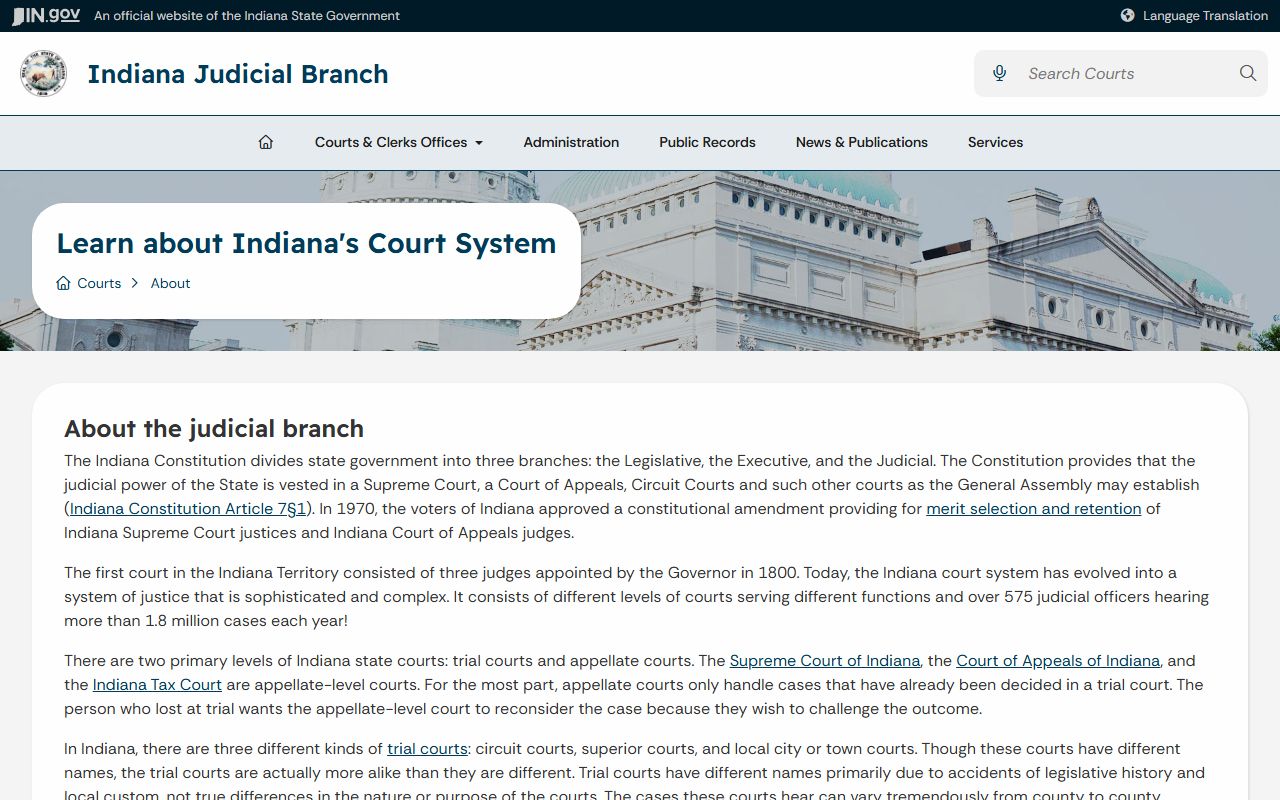
The overview supports the key local point: Newton County probate access runs through trial courts and the clerk, not a separate probate courthouse.
Adoption records, juvenile-related filings, sealed exhibits, protected identifying details, mental-health material, and some financial records may not be visible online. If a public case exists but a document is missing from MyCase, contact the Clerk of Court. A court order, party access, attorney access, or in-person review may be required for some records.
Indiana access rules also mean that a missing PDF is not the same as a missing case. A public docket entry may confirm the estate or guardianship activity, while the petition, inventory, medical exhibit, financial exhibit, or minor-child detail remains available only in redacted form or not available to the public at all.
Older probate files can also be harder to find online. Newton County was re-created in 1859, and the research notes that historical court, probate, marriage, and land records may require clerk, recorder, or local archive channels instead of a modern Odyssey search result.
That is especially important for estate work, where a family may need both a modern court file and an older recorded document to complete a title, heirship, or certified-copy request.